

Section: Geopolitics
Format: News Report
Author: Sinisa Brkic (sb)
Nearly a year after a U.S. brokered ceasefire brought an end to major fighting in Gaza, the territory remains far from political stability. Israeli strikes continue, reconstruction has barely begun, and negotiations over Hamas disarmament, further Israeli troop withdrawals, and Gaza’s future governance remain unresolved. The conflict is also returning to the center of international diplomacy as world leaders gather at the United Nations.
Another Deadly Strike in Khan Younis
An Israeli airstrike killed at least two Palestinians in western Khan Younis on September 23, according to local health officials. Two other people were wounded when the strike hit a vehicle in the southern Gaza Strip. The Israeli military confirmed the strike and said it had targeted a militant, adding that further information would be released. No Palestinian armed group initially identified the two men killed as members. The latest incident underscores the limits of a ceasefire that halted the largest military operations but has not ended violence inside Gaza. Gaza health officials say at least 1,400 Palestinians, most of them civilians, have been killed since the ceasefire took effect. The Israeli military says four Israeli soldiers have been killed during the same period.
The Political Process Remains Stalled
The central dispute has shifted from securing a halt to large scale fighting toward determining what follows it. The ceasefire framework envisages the eventual reconstruction of Gaza, but progress remains tied to negotiations over the disarmament of Hamas and the withdrawal of Israeli forces. Those negotiations have yet to produce an agreed path forward. The absence of a settlement leaves the ceasefire functioning primarily as a reduction in hostilities rather than the foundation of a durable political order. The challenge is broader than security alone. Any longer term arrangement would also require decisions over Gaza’s administration, border controls, reconstruction, humanitarian access, and the role of regional and international actors. None of those questions has been conclusively resolved.
Reconstruction Has Barely Begun
The physical consequences of the war remain visible across the Gaza Strip. On September 16, a residential building in Gaza City that had been damaged during earlier Israeli strikes collapsed, killing 21 people. Rescue crews pulled 45 people alive from the rubble. The disaster highlighted the risks facing families who continue to live in buildings weakened by the war. With housing severely limited, many displaced Palestinians have returned to damaged structures or remain in tents and overcrowded temporary shelters. Nearly a year after the ceasefire, large scale reconstruction has yet to begin. More than two million people are living within a sharply reduced area of the territory, while extensive sections of Gaza remain destroyed or heavily damaged. Palestinian and United Nations officials have blamed Israeli restrictions in part for shortages of heavy machinery needed to remove rubble and rebuild homes. Israel says restrictions are intended to prevent equipment and materials from reaching armed groups.
Schools Reopen Amid the Ruins
One of the most significant signs of civilian life returning has come from Gaza’s schools. Hundreds of thousands of children have resumed in person education for the first time in nearly three years. About 540,000 students are expected to attend classes during the 2026 to 2027 academic year. Many, however, are studying in tents, temporary learning centers, makeshift classrooms, or damaged school buildings.
UNICEF says 98 percent of schools in Gaza were either damaged or destroyed during the war. Gaza education officials estimate that about 660,000 students had been deprived of regular classroom education. The reopening is therefore an important step, but not a return to normal conditions. Basic school supplies remain expensive or difficult to obtain, infrastructure is severely limited, and some facilities are still being used to shelter displaced families.
The Human Cost Remains Central
The current ceasefire emerged from a war triggered by the Hamas led attacks on southern Israel on October 7, 2023. About 1,200 people were killed in Israel and 251 were taken hostage, according to Israeli authorities. Israel responded with an extensive air and ground campaign that it said was aimed at dismantling Hamas’s military and governing capabilities. Gaza health officials say more than 73,000 Palestinians have been killed since the Israeli campaign began. Their total does not distinguish between combatants and civilians. The scale of the losses continues to shape every discussion about Gaza’s future. Security arrangements, reconstruction, humanitarian conditions, and political governance are no longer separate questions. Each has become dependent on progress in the others.
Gaza Returns to the UN Stage
The diplomatic focus is now shifting toward New York, where Gaza is again among the major issues confronting world leaders at the United Nations General Assembly. Israeli Prime Minister Benjamin Netanyahu is scheduled to address the assembly on Thursday. Netanyahu has said he will use the speech to defend Israel’s military actions and respond to international criticism. His appearance comes as the humanitarian situation in Gaza and the absence of a comprehensive political settlement continue to draw scrutiny from governments and international institutions. The United Nations gathering is unlikely by itself to resolve the disputes holding back the next phase of the ceasefire. It does, however, provide a prominent stage for governments to define their positions on reconstruction, Palestinian statehood, Israel’s security demands, and the future political structure of Gaza.
A Ceasefire Without a Settlement
The military landscape has changed substantially from the most intense period of the war. Major combat operations have been reduced, children are returning to classrooms, and a framework for reconstruction formally exists. At the same time, people continue to be killed, damaged buildings remain dangerous, and the political process has not produced the agreements required for a stable postwar order. The durability of the ceasefire will therefore depend on more than the absence of another large military offensive. Its longer term significance rests on whether negotiators can turn a temporary reduction in hostilities into functioning arrangements for security, governance, reconstruction, and civilian life. Until those questions are resolved, the ceasefire remains under strain.
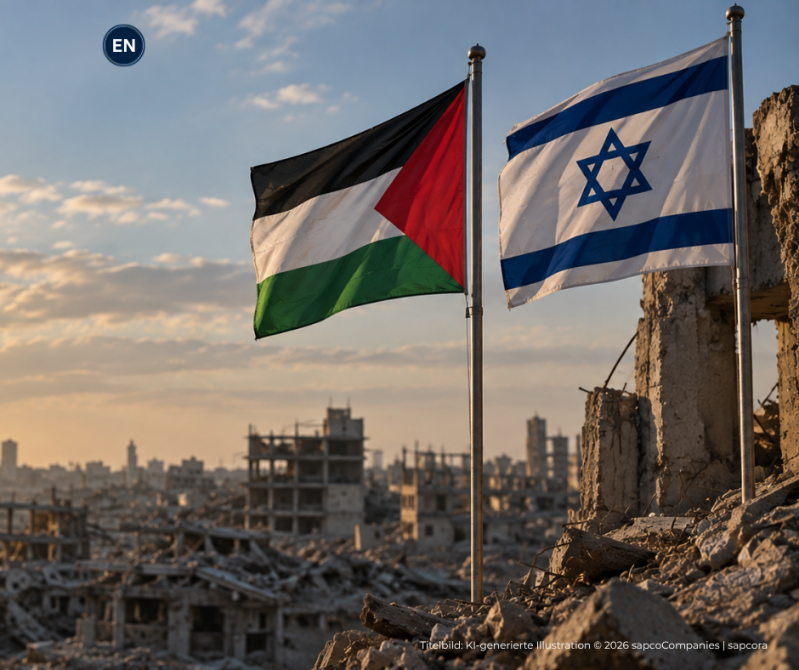
Israel and Gaza: Ceasefire Under Strain as Reconstruction Stalls. Israel and Gaza remain locked in a fragile ceasefire as Israeli strikes continue, reconstruction stalls, and negotiations over Hamas disarmament, troop withdrawals, and Gaza’s future remain unresolved.
Kommentar hinzufügen
Kommentare