

Category: Security
Format: News Article
Author: Sinisa Brkic (sb)
Date: November 10, 2026
Russia and Ukraine have resumed direct negotiations in Abu Dhabi under U.S. mediation, seeking a possible path toward ending a war that has continued for nearly five years. The diplomatic initiative comes amid sustained military operations, with Russian attacks damaging Ukrainian energy infrastructure and Ukrainian drone strikes targeting Russian oil facilities. Despite renewed diplomatic engagement, fundamental disagreements over territory, security guarantees, and the conditions for a ceasefire remain unresolved.
Negotiations Resume After Months of Diplomatic Deadlock
Representatives of Russia, Ukraine, and the United States began a new round of negotiations in Abu Dhabi on November 10, marking their first trilateral meeting since February. The two day discussions are intended to explore possible steps toward ending hostilities and establishing a broader framework for regional security. The American delegation, led by presidential envoys Steve Witkoff and Jared Kushner, is seeking to narrow differences between Moscow and Kyiv. Both governments have expressed an interest in a negotiated settlement, although their positions on the fundamental conditions for peace remain substantially different. The negotiations also reflect Washington's growing emphasis on addressing the wider European security environment. Russian officials have welcomed discussions that extend beyond the immediate military confrontation, while Ukraine continues to insist that any settlement must provide credible guarantees against renewed hostilities. The opening session concluded after nearly four hours, with further discussions scheduled for November 11. No comprehensive agreement or immediate ceasefire had been announced following the first day.
Military Operations Continue on Both Sides
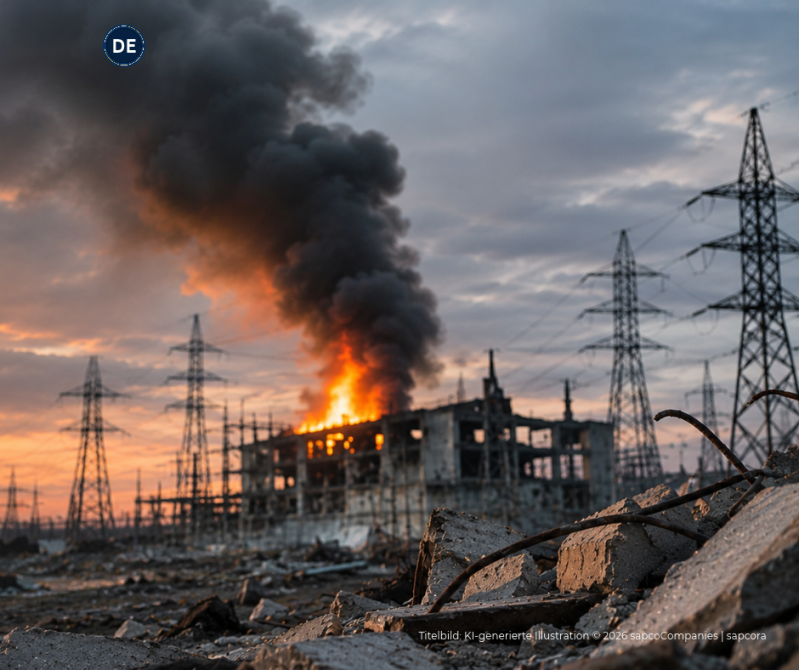
The diplomatic initiative coincides with continued long range attacks against energy and industrial infrastructure in both countries. During the night preceding the negotiations, Russian forces carried out extensive strikes across Ukraine. Ukrainian authorities reported attacks affecting ten regions, including damage to five major electrical substations in the Poltava, Dnipropetrovsk, Vinnytsia, and Kirovohrad regions. According to Ukrainian officials, the strikes caused electricity outages in six regions and killed two people in Vinnytsia. Emergency crews were deployed to restore power supplies and repair damaged infrastructure as the country prepares for the winter months. Ukraine has simultaneously continued its own campaign of drone attacks against Russian energy facilities. On November 9, a strike caused a fire at the Kirishi oil refinery in Russia's Leningrad region, one of the country's largest petroleum processing facilities. Regional Governor Alexander Drozdenko confirmed the attack and reported that a woman had been killed by falling drone debris. The incident followed a series of Ukrainian strikes against Russian refineries that have disrupted fuel processing and contributed to supply difficulties in several regions. Russian authorities also reported damage to energy infrastructure in the Kursk region following overnight drone attacks. According to regional officials, electricity supplies were interrupted in 42 settlements, affecting more than 4,000 consumers. The incidents demonstrate that infrastructure remains an important element of the military strategies pursued by both countries. While Moscow continues to target Ukraine's electricity network, Kyiv has increasingly focused on Russian oil processing and fuel supply facilities. The military objectives and consequences of these operations differ, but both campaigns illustrate the expanding economic and civilian impact of prolonged warfare.
Moscow and Kyiv Remain Divided Over Security Arrangements
The principal obstacles to a negotiated settlement extend beyond the immediate cessation of military operations. Russia maintains that a lasting agreement must address its broader security concerns, particularly NATO's military presence and the future security structure of Europe. Moscow has repeatedly argued that Western military expansion and Ukraine's potential integration into NATO represent threats to Russian security. Russian President Vladimir Putin has also demanded Ukrainian withdrawal from territories Moscow claims as part of Russia, restrictions on Ukraine's military capabilities, and guarantees concerning the country's future military alignment. Ukraine rejects these territorial demands and insists that any settlement must safeguard its sovereignty and provide credible protection against renewed military action. Kyiv considers international security commitments essential to preventing another large scale conflict. The disagreement reflects fundamentally different approaches to a future peace settlement. Moscow seeks a comprehensive arrangement addressing territorial and strategic questions before agreeing to a general cessation of hostilities. Kyiv favors an immediate ceasefire as the starting point for further negotiations. These differences remain central to the diplomatic process, particularly because the territorial claims arising from Russia's full scale invasion in February 2022 are not internationally recognized as legitimate changes to Ukraine's borders.
Energy Infrastructure Remains a Central Point of Contention
The protection of energy facilities has emerged as a particularly sensitive issue in the negotiations. Ukraine argues that Russian strikes against its electricity and heating networks place considerable pressure on civilian life and economic activity. Moscow, meanwhile, has criticized Ukrainian attacks against Russian oil refineries and other energy installations, describing them as incompatible with efforts to reduce military tensions. A previous U.S. brokered arrangement intended to restrict attacks on energy infrastructure collapsed in late October. Since then, both countries have resumed or intensified operations against energy related targets. The consequences extend beyond immediate physical damage. Disruption to electricity networks affects essential services and industrial activity, while damage to oil refineries can reduce fuel production, complicate transportation, and increase pressure on domestic supply chains. Under international humanitarian law, the legality of attacks depends on the nature of the target, its military use, and the expected consequences for civilians. Energy infrastructure is not automatically a lawful military objective merely because it contributes to a country's economy or wartime operations. These considerations apply equally to Russian and Ukrainian military actions. Responsibility for individual incidents must be assessed on the basis of verified circumstances rather than the political positions of the governments involved.
Washington Seeks a Broader Diplomatic Framework
The United States is attempting to move the negotiations beyond previous discussions that failed to produce a lasting settlement. The current diplomatic approach includes consideration of future security arrangements involving Russia, Ukraine, and European countries. Washington's representatives have suggested that a wider agreement addressing European security concerns could help create conditions for a more durable resolution. Moscow has expressed interest in discussing such a framework, while European governments have emphasized the importance of their participation in decisions affecting the continent's security architecture. Ukraine continues to seek guarantees that would preserve its military capabilities and political independence. Russia, by contrast, wants commitments that would limit what it considers an unacceptable expansion of Western military influence near its borders. Reconciling these positions will require substantial political compromises. Whether the current negotiations can produce such an outcome remains uncertain, particularly while military operations continue.
A Diplomatic Opening Without a Confirmed Breakthrough
The resumption of direct negotiations represents a significant diplomatic development after months of limited progress. It establishes a channel through which the parties can address immediate military risks, humanitarian issues, and the longer term conditions for a settlement. Nevertheless, the continuation of attacks on both sides demonstrates that diplomatic engagement has not yet translated into a meaningful reduction in hostilities. Military pressure remains part of the broader confrontation, even as representatives discuss possible arrangements for ending the war. The central question is whether Moscow and Kyiv can move beyond their established negotiating positions toward mutually acceptable security commitments. Territorial disputes, military restrictions, and the future relationship between Russia and the wider European security system remain among the most difficult issues. For now, the Abu Dhabi talks offer a renewed opportunity for diplomacy rather than evidence of an imminent settlement. Their significance will ultimately depend not on the fact that negotiations have resumed, but on whether both governments can agree to concrete measures that reduce hostilities and establish a credible foundation for lasting peace.
Russia and Ukraine Resume Peace Talks Amid Continued Strikes. Russia and Ukraine resume U.S. mediated negotiations in Abu Dhabi as attacks on energy infrastructure continue and major security disagreements remain unresolved.
Kommentar hinzufügen
Kommentare